10/09/2026
Posted by LG Beauty
Korean Cosmetics: Ingredients for Every Skin Concern
How to choose Korean cosmetics by skin concern
Start with the concern, not the trend list. Dullness and dark spots, dehydration, redness, rough texture, and a weakened moisture barrier each respond to different ingredients — and picking by concern is faster than working backwards from whatever is popular this season. Korean cosmetics are often built around gentle, mild formulas that suit daily use, which matters more than routine length; as Refinery29 has pointed out [1], the "10-step routine" is largely a myth, and soothing, non-irritating products do most of the work.
A short list covers most needs. Niacinamide, rice, and green tea lean toward tone, radiance, and oil balance. Centella asiatica and snail mucin lean toward comfort and calm. Ceramides and fermented ingredients lean toward moisture retention and resilience. CNN Underscored's roundup of dermatologist-backed Korean ingredients [2] includes centella asiatica, madecassoside, snail mucin, rice, green tea, ginseng, and PDRN — useful confirmation that these are clinically familiar actives, not marketing inventions.
One practical caveat: Korean formulas rarely do a single job. A brightening cream will often pair niacinamide and tranexamic acid with soothing panthenol and allantoin in the same bottle. So read the full ingredient list before layering — you may already have your hydrator, brightener, or barrier support covered in one step.
The Korean skincare ingredients dermatologists keep coming back to
Ask a dermatologist which Korean cosmetics ingredients are worth the shelf space and the same short list tends to surface — not because they do the same job, but because each one covers a different part of skin health.
Niacinamide is the most versatile of the group. A form of vitamin B3, it's used for brightening uneven tone and dark spots, helping regulate oil, and supporting the skin barrier — which is why it shows up in everything from milky toners to targeted dark spot creams alongside partners like tranexamic acid and licorice root extract.
Centella asiatica and its refined component madecassoside are the calming end of the spectrum: the go-to for redness-prone, reactive, or post-breakout skin that flushes easily.
Snail mucinor vegan mucin alternatives are hydration-first. They draws water into the surface layers and leave skin feeling smoother and more cushioned, rather than acting as a fast fix for tone or texture.
Ceramides rebuild what dryness strips away. As lipids that occur naturally in the skin barrier, they reduce moisture loss and make tight, flaky skin feel comfortable again — useful in winter, after retinol, or after over-exfoliating.
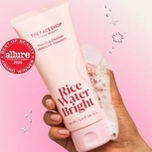
Green tea and rice round things out as gentle, antioxidant-rich staples. Rice water in particular is the backbone of everyday brightening and hydrating steps at The Face Shop, and it suits routines that need to stay mild.
Dermatologist-backed roundups from CNN Underscored [2] and Who What Wear's guide to Korean skincare ingredients [3] group these together — plus newer entries like PDRN and ginseng — precisely because they solve different problems. Choose by concern, not by hype.
Brightening ingredients for dark spots, dullness, and uneven tone
When the goal is a more even complexion, three actives do most of the visible work: vitamin C and its gentler derivatives, tranexamic acid, and azelaic acid. Vitamin C targets overall dullness and helps skin look radiant; tranexamic acid is more often chosen for stubborn discoloration and post-blemish marks; azelaic acid suits people whose uneven tone comes alongside redness and bumpy texture. Retinol belongs in the same conversation, though it works on cell turnover rather than pigment directly, so it pairs better with a brightening active than it replaces one.
Niacinamide is the middle path. It supports a brighter, more balanced-looking tone while also helping the moisture barrier, which makes it easier to use nightly than a high-strength acid. Two other names worth reading labels for: licorice root extract, a long-standing botanical in oriental herb formulations, and ascorbyl glucoside, a stabilized vitamin C derivative used when straight ascorbic acid feels too sharp.
Korean cosmetics tend to combine rather than isolate. A well-built dark spot formula might list niacinamide, tranexamic acid, ascorbyl glucoside and licorice root extract next to panthenol, allantoin and beta-glucan, so brightening sits alongside soothing and barrier support instead of competing with it.
That pairing matters more than potency. As Refinery29 has pointed out [1], the gentle, non-irritating approach is the actual through-line of Korean routines — and a mild formula you use for twelve weeks will out-perform a strong one you abandon in two.
Hydration and barrier support: snail mucin, ceramides, hyaluronic acid, and propolis
Hydration is the entry point for most people exploring Korean cosmetics, and the ingredient logic is refreshingly simple: draw water in, then keep it there.
Hyaluronic acid (often listed as sodium hyaluronate) is the water-magnet. It holds many times its weight in moisture, which is why skin looks plumper and fresher within minutes of applying a hydrating essence. Snail mucin filtrate and vegan mucin alternatives play a similar comfort role in Korean formulas — a cushiony, slightly tacky layer that leaves skin soft rather than coated. It appears on dermatologist-recommended ingredient lists alongside centella asiatica, rice, and green tea in recent CNN Underscored coverage of Korean beauty ingredients [2].
Ceramides do the second job. They are lipids naturally present in the outermost layer of skin, and topically they help seal water in and keep irritants out — the reason they're the first thing to reach for when skin feels tight, flaky, or reactive. Propolis, a bee-derived resin, is the soothing option: rich, warm-textured, and popular in Korean formulas for stressed or wind-chapped skin.
Pairing is easy if you keep textures light. A hyaluronic acid or snail essence under a ceramide cream layers cleanly, and niacinamide or centella can sit in between without weighing anything down. The Face Shop's Alltimate Vegan Mucin Peptide 8 Cream ($18) is a straightforward example of this layering logic built into one jar — snail mucin for cushioned hydration alongside peptides for a comfortable, barrier-friendly finish.
Choose gel textures for oily skin and richer creams for dry — hydration itself suits all skin types.
Where fermented ingredients, rice, mugwort, and green tea fit in a routine
Rice water sits at the softening end of the ingredient spectrum. Rice-based toners, essences, and creams are typically used after cleansing to leave a smooth, luminous finish and a more radiant look over time — a gentle brightening step rather than a corrective one.
Mugwort and green tea belong in the comfort category. Both are traditionally used in Korean cosmetics for calm, fresh-feeling skin, and they tend to suit anyone who wants relief from tightness or heat without a heavy layer. Green tea also appears among the dermatologist-favored options in CNN Underscored's roundup of Korean beauty ingredients [2], alongside centella asiatica, snail mucin, rice, and ginseng.
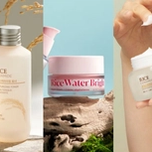
Fermented ingredients are less a single active than a formulation approach. Fermentation is often associated with a lighter, more refined texture that absorbs quickly, which is why rice-based formulas built around fermentation tend to feel gentle and low-pH-friendly rather than heavy. The Face Shop's Rice Water Bright Vegan Cream and Serum lean on rice fermented for 28 days, which is a useful, concrete example of how fermentation is used to soften texture and support a luminous look without added heaviness.
The practical rule: treat these as supporting steps. Pair them with the ingredient doing the heavy lifting for your concern — niacinamide or tranexamic acid for dark spots, ceramides and hyaluronic acid for barrier and moisture, retinol for texture — and let rice, mugwort, green tea, and fermented essences hydrate, soothe, and keep the routine comfortable enough to repeat daily.
How to pair Korean cosmetics ingredients without overcomplicating your routine
The simplest structure is one brightening ingredient, one soothing ingredient, and one barrier-support ingredient. That's it — three jobs, not ten steps. Niacinamide handles brightening and helps even out dark spots; centella asiatica, madecassoside, or snail mucin calm redness; ceramides, squalane, or hyaluronic acid hold water in and keep the barrier comfortable. Niacinamide is unusually easy to combine, which is why it shows up beside panthenol, beta-glucan, and licorice root extract in gentle formulas that pair it with barrier and soothing ingredients rather than stacking strong actives.
Retinol is the one to slow down for. Introduce it two or three nights a week, buffer it with a ceramide-rich moisturizer, and don't run it the same evening as an acid exfoliant or a high-strength vitamin C. If skin stings, flakes, or turns tight, that's the barrier asking for a break, not a signal to push harder.
Daytime sunscreen is non-negotiable with any brightening routine or retinoid — the American Academy of Dermatology recommends broad-spectrum SPF 30 or higher, applied daily [4]. Without it, pigment work simply undoes itself.
Korean cosmetics reward consistency over complexity: three well-chosen ingredients, used steadily, beat a crowded shelf.
A simple ingredient checklist for buying Korean cosmetics
Start with the concern, not the trend. For dullness and dark spots, look for brightening actives like niacinamide, ascorbyl glucoside, tranexamic acid, or licorice root extract. For dehydration, sodium hyaluronate and glycerin draw water in; ceramides and squalane help seal it. For redness and reactivity, centella asiatica and madecassoside are the calming names dermatologists point to in CNN Underscored's roundup of Korean beauty ingredients [2], alongside green tea, rice, ginseng, and snail mucin or vegan mucin. For barrier support, ceramide NP and panthenol do the quiet repair work.
Then check the feel. Refinery29 has pointed out [1] that the "10-step routine" is more myth than method, and that Korean formulas tend to prioritize gentle, soothing textures you can use daily. Supporting ingredients such as panthenol, beta-glucan, licorice root extract, and sodium hyaluronate are worth scanning for when you want a more cushioned, comfortable finish.
Finally, read the positioning. A product labeled for all skin types behaves differently from one built around a single concern like wrinkles or pigmentation — a retinol neck serum and a hydrating rice water toner are not interchangeable.
Choose formulas that pair visible results with comfort, and you'll actually keep using them. Browse The Face Shop by ingredient and skin concern to build your routine.
References
- Refinery29, "Korean Beauty Brands & Skincare Ingredients Trends" — https://refinery29.com/en-us/korean-beauty-brands-skincare-ingredients-trends(opens in new window)
- CNN Underscored, "Best Korean Beauty Ingredients" — https://cnn.com/cnn-underscored/beauty/best-korean-beauty-ingredients(opens in new window)
- Who What Wear, "Korean Skincare Ingredients" — https://whowhatwear.com/beauty/skin/korean-skincare-ingredients(opens in new window)
- American Academy of Dermatology, "How to Select a Sunscreen" — https://www.aad.org/public/everyday-care/sun-protection/shade-clothing-sunscreen/how-to-select-sunscreen(opens in new window)